

Clay Soil Series | OC Handyman Services
When you’re preparing to install sod, turf, a shed, or even a concrete pad in Southern California, especially over clay soil, the question of road base vs. topsoil is a big one:
“Do I need both? And which one goes first?”
If you get the order wrong, you could end up with:
- A soggy lawn that drowns in winter
- A shed that tilts or sinks after the first rain
- A concrete slab that cracks or shifts over time
Let’s walk through the pros, cons, and proper sequence for road base and topsoil — including real-world examples from projects in Orange County, LA County, and the Inland Empire.
🔎 What Is Road Base?
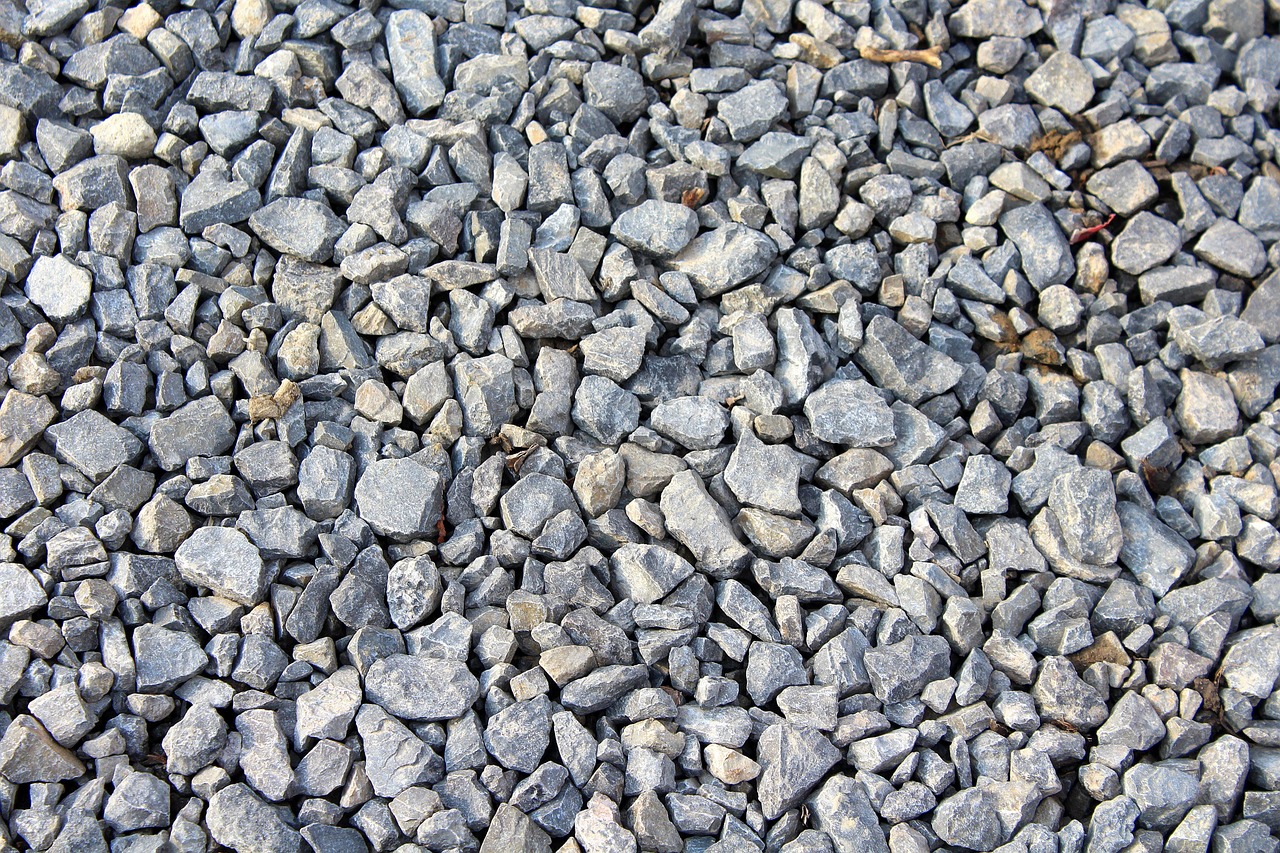
Road base is a compactable mixture of crushed stone, sand, and fines. It’s used underneath driveways, roads, patios, and other hardscapes to create a firm, stable surface that resists shifting.
🧱 Ideal for:
- Concrete pads
- Artificial turf installations
- Sheds and outbuildings
- Heavy-use areas (RV access, trailers, equipment storage)
✅ Benefits:
- Excellent load-bearing strength
- Drains effectively when compacted
- Resists erosion and settling
- Prevents mud and movement over time
🌿 What Is Topsoil?
Topsoil is the uppermost layer of soil that supports plant life. It’s usually blended with compost, sand, and silt to improve drainage and nutrient content — essential for growing grass, plants, or trees.
🌱 Best for:
- Sod lawns
- Garden beds
- Flower/plant installations
- Leveling and soft grading
✅ Benefits:
- Supports root development
- Holds moisture and nutrients
- Provides an ideal base for sod or seed
- Improves long-term soil structure
⚖️ Which Comes First: Road Base or Topsoil?
The correct layering depends on your project:
🟢 For Turf or Sod:
- Excavate clay soil if it’s heavily compacted or expansive
- Install 2–4 inches of compacted road base
- Top with 2–3 inches of blended topsoil
- (Optional: Add gypsum amendment or landscape fabric in between)
This method gives you a firm base for foot traffic, while still allowing turf roots to thrive in nutrient-rich soil.
🟢 For Concrete Pads, Sheds, or Gravel Paths:
- Use road base only — 4+ inches, compacted
- Top with a sand layer if pouring concrete
- Skip topsoil — it’s too soft and causes movement
🟢 For Gardens or Planting Beds:
- Skip the road base
- Just till the native soil and top with 6+ inches of topsoil
- Amend with compost, gypsum, or worm castings if needed
🔧 What We Did at LSI/SDA HQ in La Habra Heights
To replace slippery, expansive clay:
- We removed 8″ of clay soil
- Installed 4″ of compacted road base
- Added 2–3″ of blended topsoil
- Used landscape fabric in high-traffic turf areas
- Prepped the surface for turf + RV access in one
It created a beautiful, stable backyard that’s soft for the dogs — and tough enough to drive across without rutting or drainage issues.
🛒 Where to Get Road Base & Topsoil in SoCal
- Cal Blend Soils Inc. – Irwindale (great for gypsum + bulk)
- Lyons Building Materials – Fullerton
- Whittier Fertilizer – Whittier
- OC Farm Supply – Orange
Ask about:
- Turf blend topsoil
- Class II road base
- Organic compost for planting
Leave a Reply