

OC Handyman Services | Clay Soil Series
Installing grass over untreated clay is a recipe for dead turf, puddles, and frustrated weekends. You need:
- ✅ Gypsum (to loosen the clay)
- ✅ Tilling 4–6 inches
- ✅ Blended topsoil for planting
- ✅ (Optional) Soil fabric and drainage strategy
For areas you want to drive across, like RV access paths or dog runs, consider removing the clay and replacing it with road base and topsoil — like we did here in La Habra Heights.
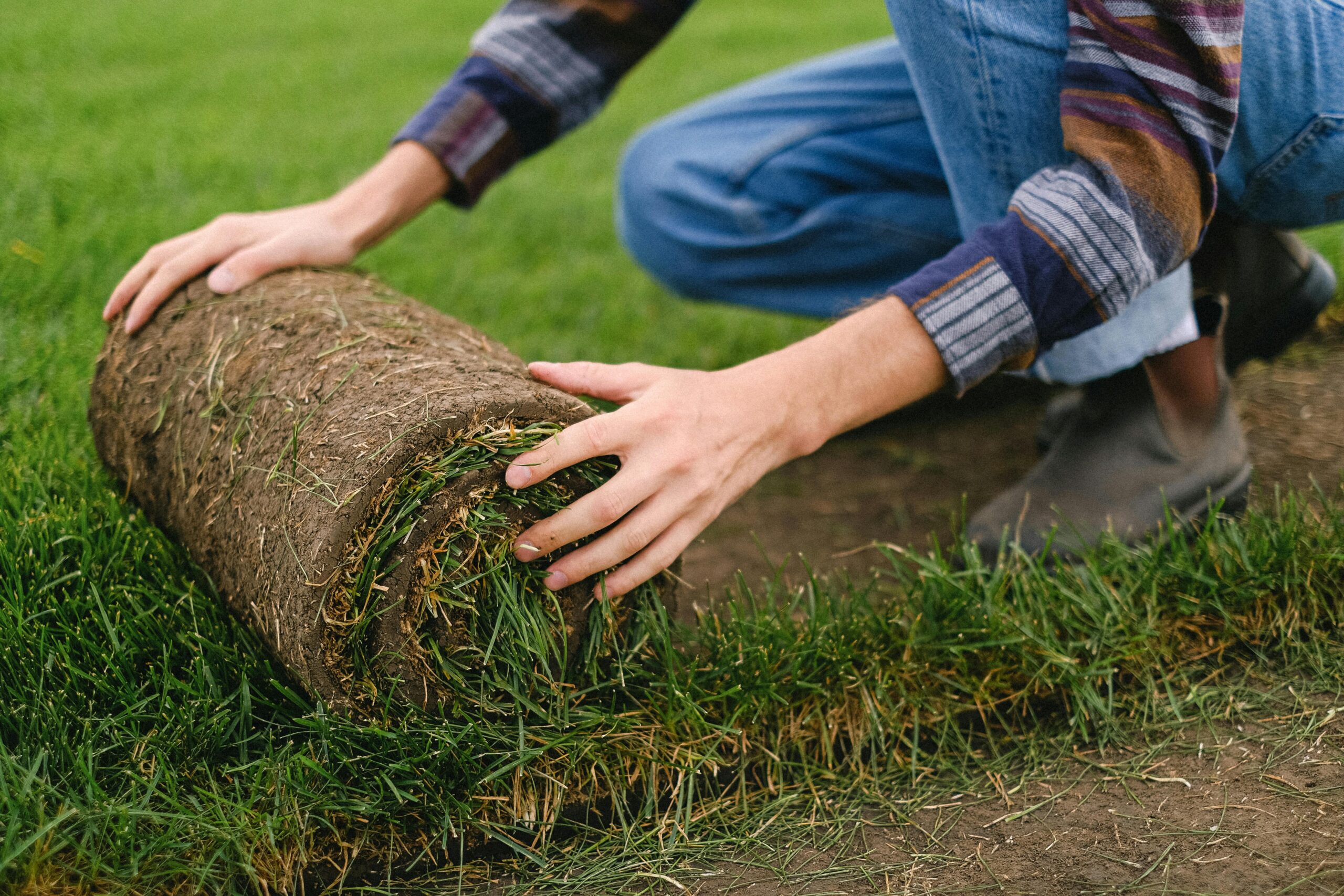
Installing sod or turf over untreated clay soil is like building a house on Jell-O. You might get away with it short-term — but once the rainy season hits, your lawn can turn into a swampy, dead, patchy mess.
If you live in Orange County, Los Angeles County, or the Inland Empire, chances are your backyard has at least some clay content. And if you’re replacing grass or upgrading to turf, prepping the soil the right way is not optional.
Here’s what it takes to prep your lawn — and how to avoid the most common (and expensive) mistakes.
🚫 Why You Shouldn’t Skip Soil Prep
Clay soil is:
- Poorly draining — water sits on top or turns it to mush
- Easily compacted — turf roots can’t breathe
- Chemically tight — hard for nutrients to move freely
If you skip prep and just roll out sod:
- The roots won’t establish
- Water will pool in low spots
- Turf may die from below, not from above
And in 3–6 months, you’ll be doing it all over again.
✅ Three Ways to Prep Clay for Sod or Turf
Whether you’re laying natural sod or artificial turf, here are the three most effective strategies:
1. Amend the Clay (Gypsum + Blended Topsoil)
Best for: Budget-conscious homeowners installing real sod
Apply gypsum powder (6 bags/1,000 sq ft), till it 4–6 inches deep, and top with 2–3 inches of blended topsoil. Let it sit a few days before rolling out sod.
This combo improves:
- Drainage
- Nutrient flow
- Root development
- Workability of the site
2. Remove Clay + Rebuild Soil Base
Best for: High-end turf, irrigation upgrades, or RV-accessible lawns
Excavate 4–8 inches of clay and replace with:
- 2–4 inches of compacted road base
- 2–4 inches of topsoil or clean fill
- Optional: Install landscape fabric between layers
💬 This is the exact method we used at LSI/SDA HQ to create a backyard lawn strong enough to drive over while still looking good.
3. French Drains or Gravel Trenches
Best for: Clay-heavy areas with standing water problems
Even with amendments, some yards need subsurface drainage to help water escape clay zones.
A simple gravel trench along the slope of the yard, lined with fabric and perforated pipe, can keep your turf alive in wetter months.
🛠️ Local Material Tip
OC homeowners can get blended topsoil and gypsum from local vendors like Cal Blend Soils Inc. in Irwindale or Lyons Building Materials in Fullerton. Ask for materials suitable for turf installs over clay.
Leave a Reply