
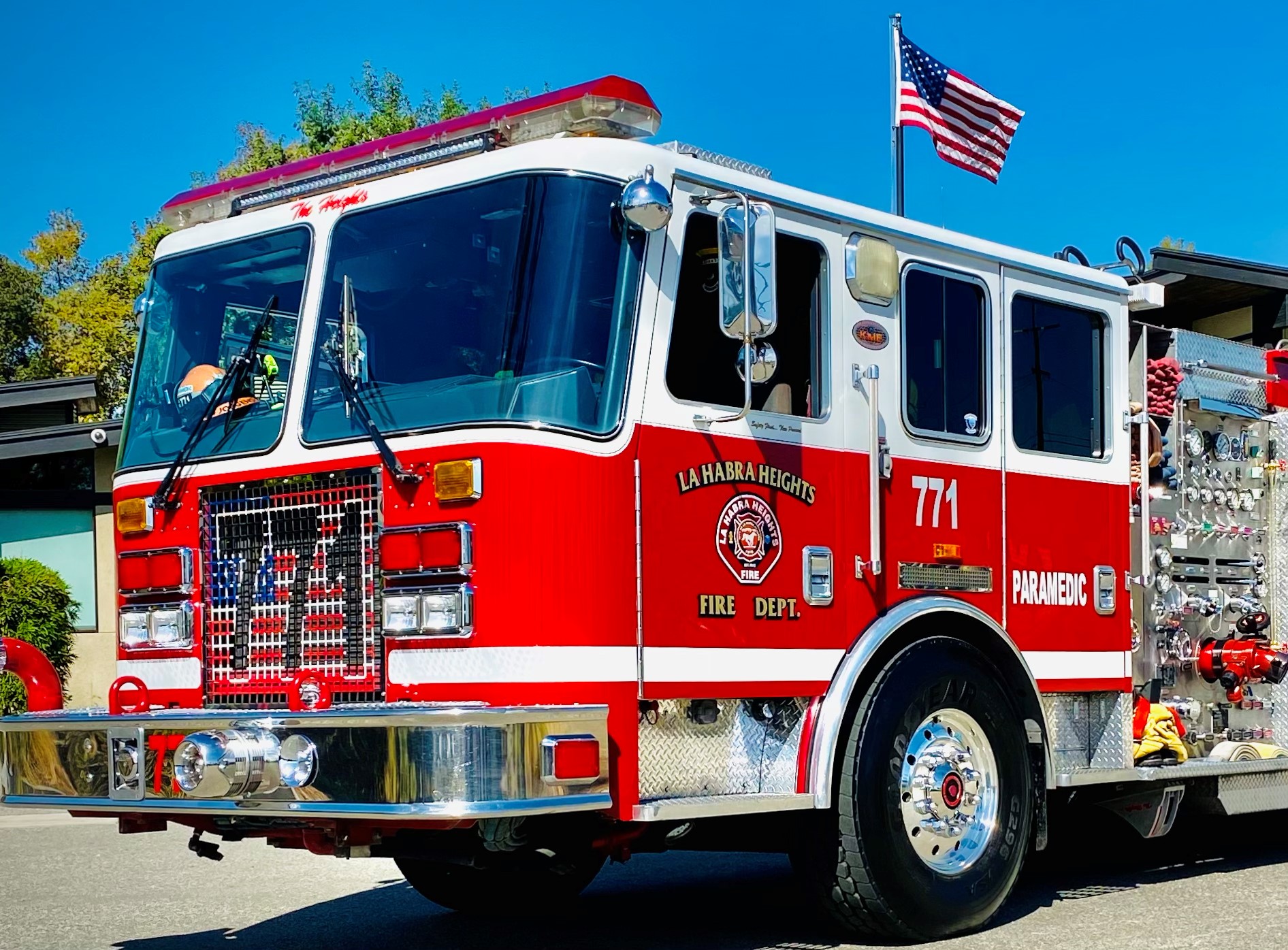

Living in Southern California’s hillside and canyon areas means facing real wildfire risks — and nowhere is that more clear than in La Habra Heights.
Brush clearance isn’t optional here.
It’s enforced annually through the city’s 2024 Fire Brochure and is a proven tool for protecting homes, families, and communities.
🔹 Note: While many of our examples reference La Habra Heights, the principles of brush clearance apply across Southern California’s wildfire-prone zones — including Malibu, Altadena, Pacific Palisades, Santa Monica Mountains, and hillside communities throughout Orange, Los Angeles, Riverside, and Ventura Counties.
We focus on La Habra Heights for a reason:
LHH is a wildfire-resilient city with an excellent reputation for proactive fire safety.
- The La Habra Heights Fire Department (LHHFD) is highly regarded and is a hands-on training ground for fire science students from Rio Hondo College, many of whom go on to become firefighters throughout OC and LA Counties.
- LHHFD’s experience, training, and brush clearance enforcement are respected across the region, making their 2024 standards an ideal model for best practices.
So whether you live in La Habra Heights or anywhere across Southern California’s hills and canyons, following these strategies will help you stay safer, compliant, and wildfire-ready.
🔥 Here’s What Every Homeowner Must Know in 2024:
1. You Must Maintain 100 Feet of Defensible Space
The City of La Habra Heights requires 100 feet of cleared, modified space around all structures:
- Zone A: 0–30 feet (Highly Modified Zone)
- Remove dead vegetation completely.
- Trim shrubs and tree branches away from buildings.
- Eliminate fire-prone plants like junipers and bamboo.
- Zone B: 30–100 feet (Thinning Zone)
- Thin native vegetation.
- Maintain spacing between trees and plants.
- Remove ladder fuels that could let fire climb vertically.
✅ Learn how to create a perfect 100-foot defensible space here.
2. Specific Plant Spacing Rules Apply
It’s not enough to clear brush randomly — you must space living plants properly:
- Trees: Keep 10 feet between tree crowns.
- Vertical Clearance: Trim trees so there’s at least 6 feet of clearance from the ground up to the lowest branches.
- Shrubs: Space shrubs twice their height apart horizontally.
Crowded vegetation fuels wildfires — spacing disrupts fire spread.
3. Driveways and Access Roads Must Be Cleared
To help firefighters protect your property:
- Clear 10 feet horizontally from both sides of driveways and roads.
- Maintain 15 feet vertical clearance overhead for emergency vehicle access.
- Make sure your house address is posted in 4-inch reflective numbers visible from the street.
If fire trucks can’t reach you, they can’t defend your home.
4. Dead Material Must Be Removed Completely
Dead trees, fallen branches, leaf piles, and dry shrubs are wildfire fuel.
La Habra Heights requires complete removal — not just trimming.
If it’s dead, dried, or detached, it must go.
✅ See our full Brush Clearance Checklist for a step-by-step approach.
5. Brush Clearance Must Be Completed by May 1, 2024
The City enforces an annual deadline of May 1st.
Missing it means:
- Correction notices
- City-hired clearance at your expense
- Administrative penalties tacked onto your property tax bill
✅ Learn the best times of year to complete brush clearance and stay ahead.
📋 Final Thought
In wildfire zones, brush clearance isn’t cosmetic — it’s survival.
Following La Habra Heights’ 2024 guidelines doesn’t just protect your own home — it safeguards your entire community and gives firefighters a real chance to defend your neighborhood.
✅ Explore our full Brush Clearance Resource Center for guides, checklists, and vetted local crews.
✅ Need immediate help? Contact us today.
Leave a Reply