

Floor & Landscape Stability | OC Handyman Services
If your backyard feels squishy after a rain or you’ve noticed cracks in your sidewalk or patio, you might be dealing with expansive clay soil. It’s more common than you think across Orange County, Los Angeles County, and the Inland Empire — and it’s one of the most misunderstood causes of foundation shifts, uneven landscaping, and failed concrete work.
🌧️ What Is Expansive Clay Soil?
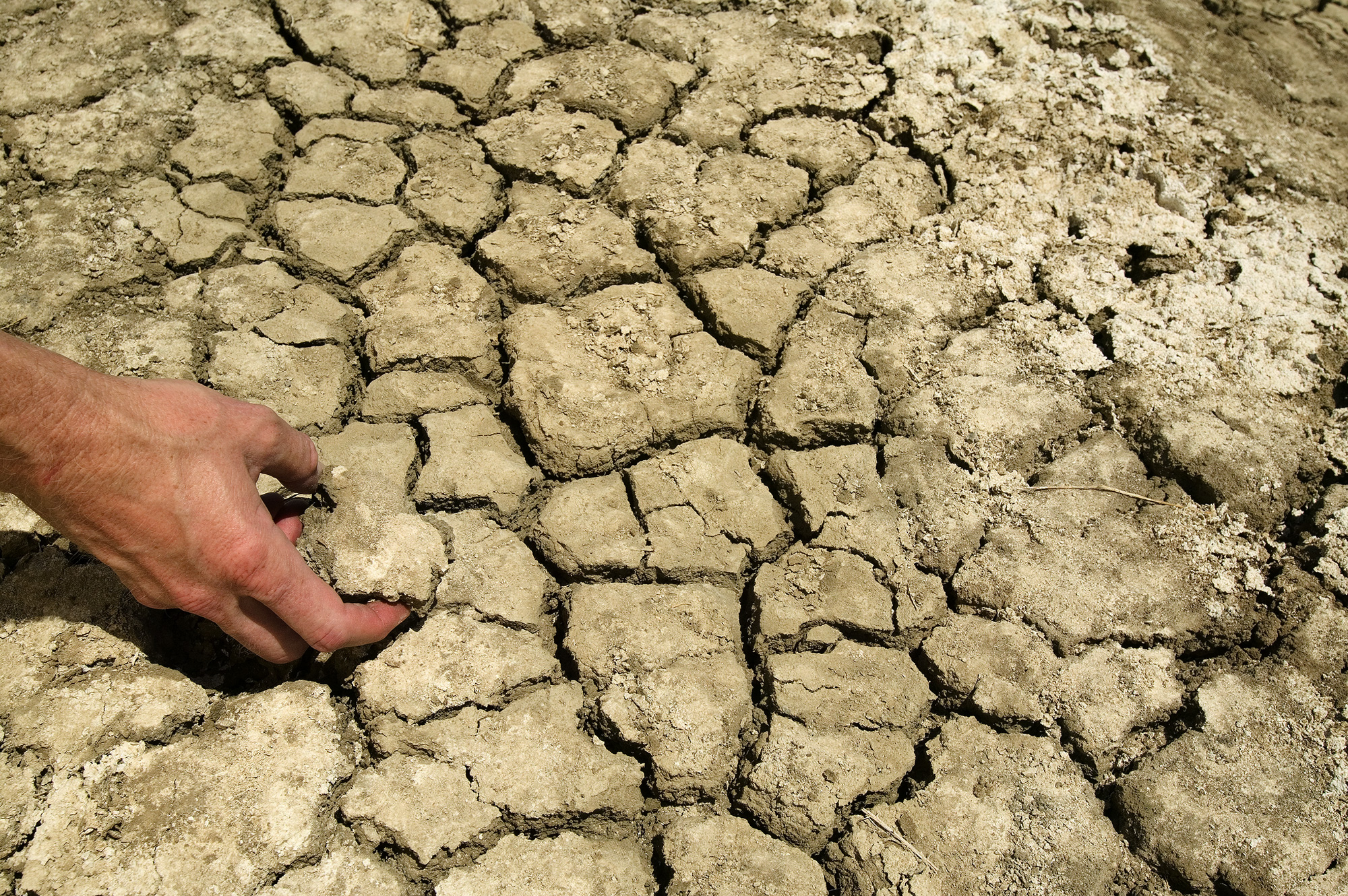
Expansive clay is a type of soil that absorbs water like a sponge and swells when wet — then shrinks and hardens when dry. These extreme shifts in volume cause a cycle of expansion and contraction beneath the surface of your yard or foundation.
In other words: it moves.
That movement can:
- Crack concrete slabs and pavers
- Uplift sidewalks and driveways
- Destroy turf and plant roots
- Make the ground slippery and dangerous
- Cause structural issues in your home
🧱 Where Do We See It Most?
Expansive clay soils are especially common in older hillside developments, canyons, and areas with imported fill. In La Habra Heights, Brea Hills, Whittier Hills, and similar neighborhoods, it’s not unusual to find thick, gooey layers of clay just inches below your lawn.
At OC Handyman Services HQ, we recently removed 8 inches of clay soil in a real-world remediation project. The client (our own office) opted to truck the clay away, replace it with road base and topsoil, and eventually convert the area into a hybrid grass-and-drive zone strong enough to support RV access.
⚠️ What Happens If You Don’t Fix It?
Unchecked clay soil causes:
- Heaving (raised sidewalks or shed slabs)
- Soil instability for grass, patios, or hardscape
- Drainage failures and pooling
- Dangerous footing in wet conditions
You might not notice it today — but over the next year or two, these problems will compound. If you’re adding a shed, concrete pad, landscaping, or turf over clay… you need a plan.
✅ Common Solutions
OC Handyman Services and local landscape crews use a variety of methods to treat or remove expansive clay soil:
1. Clay Removal
Dig out 4–8 inches and replace with:
- Class 2 Road Base
- Blended Topsoil
- Stabilizing Sand or Gravel
2. Gypsum Amendment
Mix gypsum powder into the top 6–12 inches using a tiller. Over time, this changes the clay’s structure — making it looser, less sticky, and more water-permeable.
Pro Tip: Cal Blend Soils Inc in Irwindale recommends gypsum as a cost-effective alternative when full removal is too expensive.
3. Landscape Fabric
Layering commercial-grade soil fabric between clay and topsoil helps separate and stabilize the layers — especially useful under turf, gravel, or sod.
4. Grading & Drainage
Clay-heavy soil must be graded carefully. Gentle slopes away from structures and French drains can prevent pooling that triggers clay expansion.
Leave a Reply