
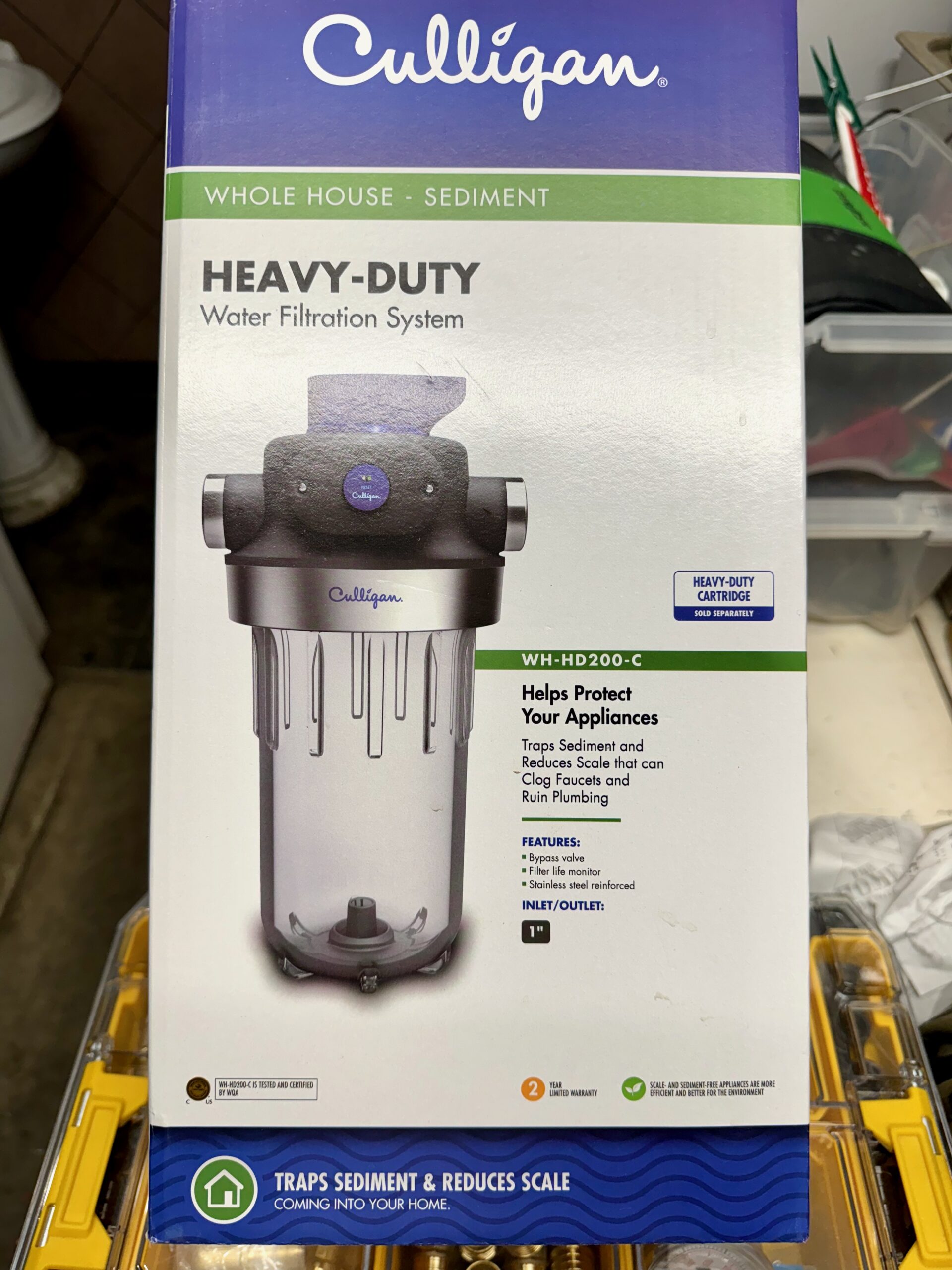

If you’ve ever had to clean out your faucet aerators or replace a clogged washing machine valve screen, you’ve probably already felt the pain of poor water filtration. Southern California’s water supply is notorious for being packed with fine sediment, scale, and other contaminants that gradually clog, corrode, and damage household plumbing. A properly chosen whole house sediment filter is your first line of defense.
But not all filters are the same — and picking the wrong one can cost you in more ways than one.
Why Sediment Matters More Than You Think
Sediment doesn’t just make your water cloudy. It wears down washers, gaskets, cartridges, and appliances from the inside. Small particles of dirt, rust, or calcium can:
- Shorten the lifespan of water heaters
- Destroy seals in shower and sink valves
- Reduce water pressure throughout the house
- Render water softeners and drinking water systems ineffective
Before any of that happens, it’s smart to stop the sediment early — at the entry point to your home’s water system.
3 Main Types of Sediment Filters for Whole House Systems
Let’s break down your best options:
✅ Pleated Cartridge Filters
These accordion-style filters provide a large surface area for trapping debris. They’re washable and reusable in many cases and come in ratings like 5, 10, or 20 microns. Best for homes with moderate sediment loads that want less frequent replacement.

✅ Spun Polypropylene Filters
These “depth” filters trap particles throughout their entire body. As water passes through the outer layers, finer and finer particles are removed. Great for high-sediment areas. Available in a wide range of micron levels (1 to 50). Not washable.
✅ String-Wound Filters
Made from yarn-like string wrapped tightly around a core, these are ideal for well water or sources with variable sediment. They’re durable but usually non-washable.
Which Micron Rating Is Right for You?
Micron ratings determine how small a particle the filter can trap.
- 5 Micron: Most common for residential use. Traps most sediment without excessive pressure drop.
- 10 Micron: Less restrictive, slightly longer lifespan, slightly less fine filtration.
- 1 Micron: Ideal for very fine particles, but may reduce water pressure.
- 20+ Micron: Better as a pre-filter in systems with heavy sediment.
👉 Our Recommendation: A two-stage setup — starting with a 20-micron pleated pre-filter and followed by a 5- or 10-micron sediment or carbon filter — is often the sweet spot for balancing flow rate and protection.
Maintenance Tips
- Replace filters every 3–6 months depending on sediment load and water usage.
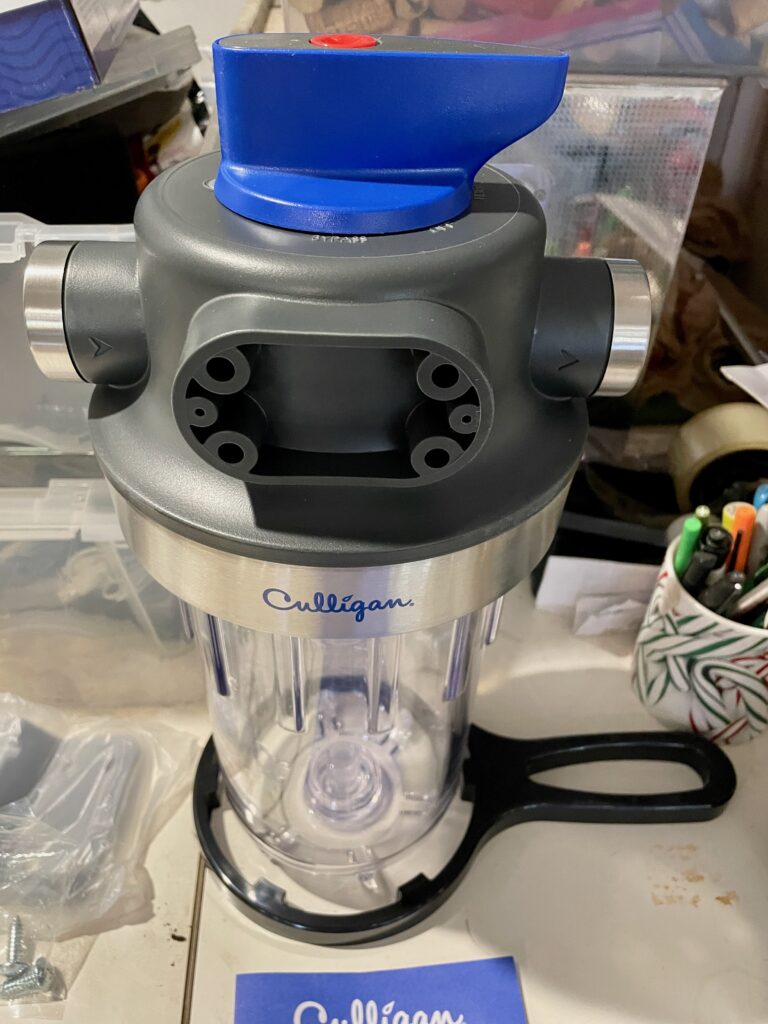
- Use clear filter housings if possible, so you can visually inspect clogging.
- Install bypass valves to allow filter replacement without shutting off water to the entire home.
Designed for DIYers or Pros
Whether you’re building a shed-based system like ours in La Habra Heights or mounting it inside a garage, sediment filtration is one part of a layered system that also includes pressure regulators, softeners, and zone valves. It’s inexpensive protection that prevents costly repairs down the line.
📎 Related Posts to Cross-Link
Leave a Reply