
Think your new plastic or wood shed will be fine sitting on a patch of flat grass?
Think again.
At Orange County Handyman Services, we know that building a stable, durable base is the single most important step for shed longevity.
Here’s how we do it — and why it matters.
🛠️ Step 1: Clear and Level the Ground Properly
Before you install any foundation, the area must be:
- Cleared of grass, roots, and rocks
- Leveled carefully
- Compacted firmly
Even slight dips or soft spots can cause your shed to shift later.
Learn why a good foundation matters from the start.
🧱 Step 2: Choose the Right Base
Options for stable shed bases:
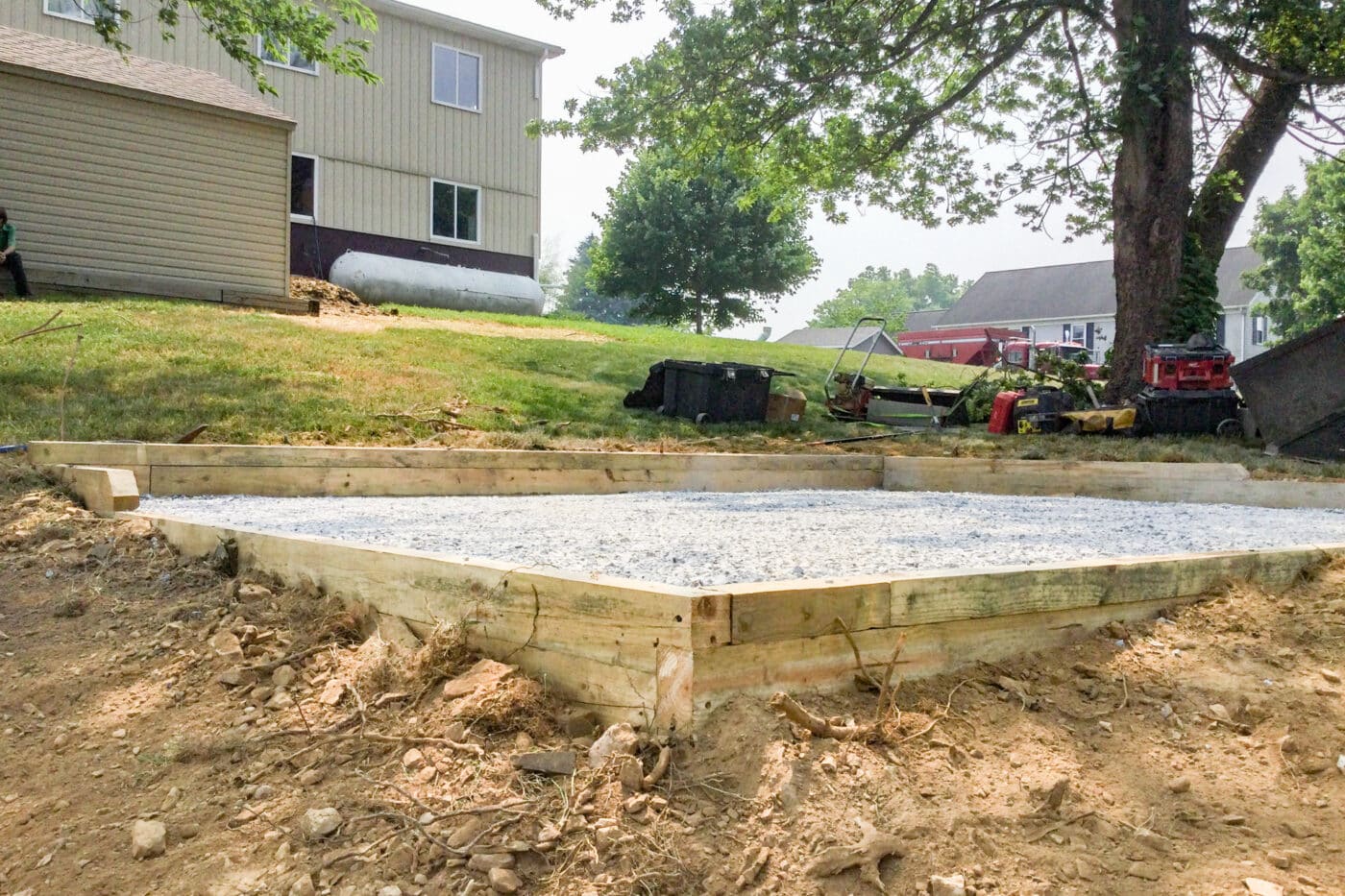
- Compacted gravel pad
- Concrete paver system
- Poured concrete slab
If you’re curious about how each one stacks up, check out our comparison guide on gravel, blocks, or concrete.
✅ We help you pick the right solution based on your shed size, budget, and long-term goals.
🛡️ Step 3: Anchor and Protect the Shed
Even the sturdiest sheds can shift without proper anchoring:
- Stakes into gravel pads
- Anchor bolts into concrete slabs
- Cross-bracing for tall structures
Anchoring protects your shed against wind, earthquakes, and long-term soil movement.
🏡 Start Your Shed on Solid Ground
Build it right once — and you’ll never have to worry about sinking floors, stuck doors, or uneven walls.
👉 Contact Orange County Handyman Services today for a site evaluation and shed foundation consultation.